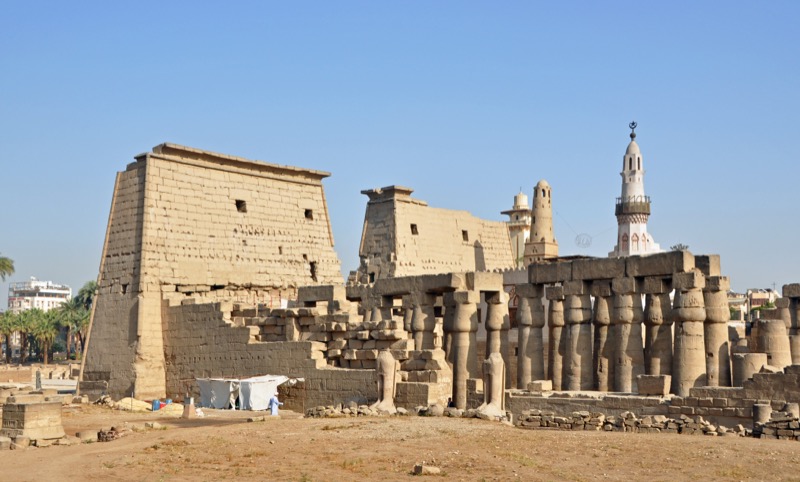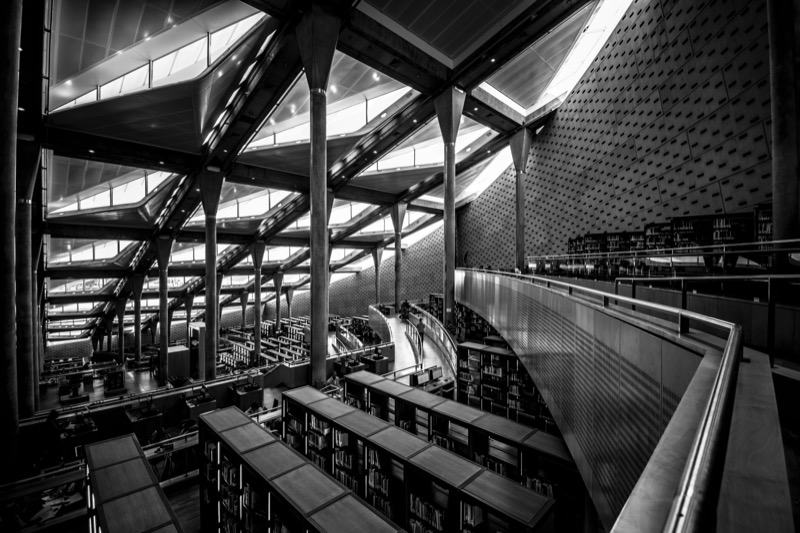
Karnak temple complex at Luxor with rows of ram-headed sphinxes
Open-Air Sites

Egypt's Major Archaeological Sites: Field Guides

From the monumental temple complexes of Upper Egypt to the Step Pyramid at Saqqara and the relocated Nubian temples of the Lake Nasser shore, Egypt's open-air archaeological sites require planning, context, and current logistics to visit well.

Site Overview

Understanding the Nile Valley as an Archaeological Landscape

Egypt's archaeological sites are not scattered randomly across the country. They follow the logic of the ancient world: the life-giving Nile, the desert boundaries that preserved organic material for millennia, and the distinctive religious geography that determined where temples were built, where the dead were buried, and how cities were organised.

The Nile Valley can be understood as a sequence of archaeological zones moving from north to south. Greater Cairo contains the Old Kingdom pyramids at Giza, the necropolis at Saqqara and Dahshur, and the ancient city of Memphis. Middle Egypt holds Amarna, the heretical capital of Akhenaten, and the important cult centre of Abydos. Upper Egypt — centred on Luxor — preserves the greatest density of New Kingdom monuments, including the Karnak temple complex, Luxor Temple, and the royal necropolis of the Valley of the Kings and Valley of the Queens. At the southern limit of Egypt proper, the temple island of Philae and the relocated temples of Nubia — including Abu Simbel — mark the heritage of ancient Egypt's southern borders.

Each of these zones merits at minimum one full day, and the Upper Egypt cluster around Luxor rewards a stay of three to five days for anyone serious about seeing the sites rather than merely ticking them off. The logistics and visitor experience at each zone differ substantially — what works for Giza does not apply to Abu Simbel, and the ticketing structure for the West Bank Luxor sites is among the most complex in Egyptian heritage tourism. Our guides address each zone with the specificity the differences require.

Site Guides

Key Sites by Region

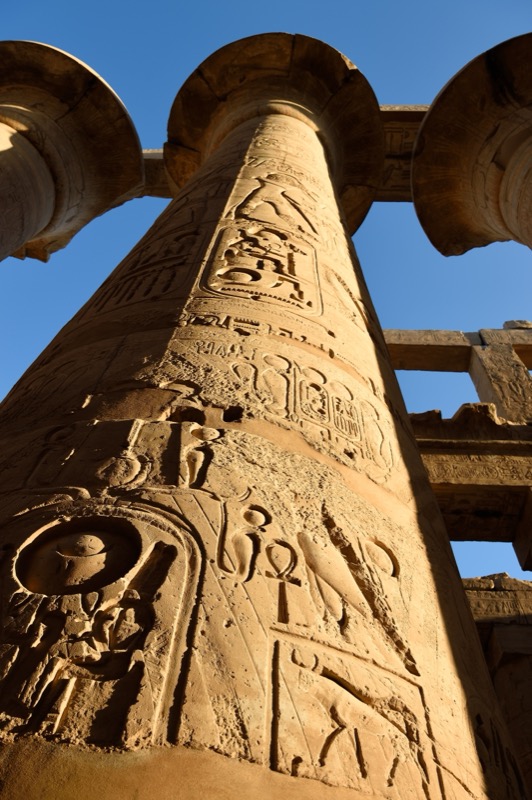
Hypostyle Hall at Karnak Temple with massive sandstone columns
Upper Egypt — Luxor East Bank

Karnak Temple Complex

Karnak was the primary cult centre of the god Amun-Ra during the New Kingdom, and successive pharaohs from Thutmose I through the Ptolemies added to its precincts over fifteen centuries. The result is the most architecturally complex religious site in Egypt. The Hypostyle Hall — 102 metres wide, 53 metres deep, with 134 columns arranged in 16 rows — remains one of the most physically overwhelming interior spaces ever built. Our guide covers the complete site: the Precinct of Amun-Ra, the smaller Precincts of Mut and Montu, the open-air museum housing dismantled obelisks and reliefs, and the sacred lake used for ritual purification. Best arrival time: 08:00 for the main complex, before the tour group buses arrive by 09:00. Admission: EGP 450 for the main precinct; additional tickets for some interior sections.

Luxor day tour guide →
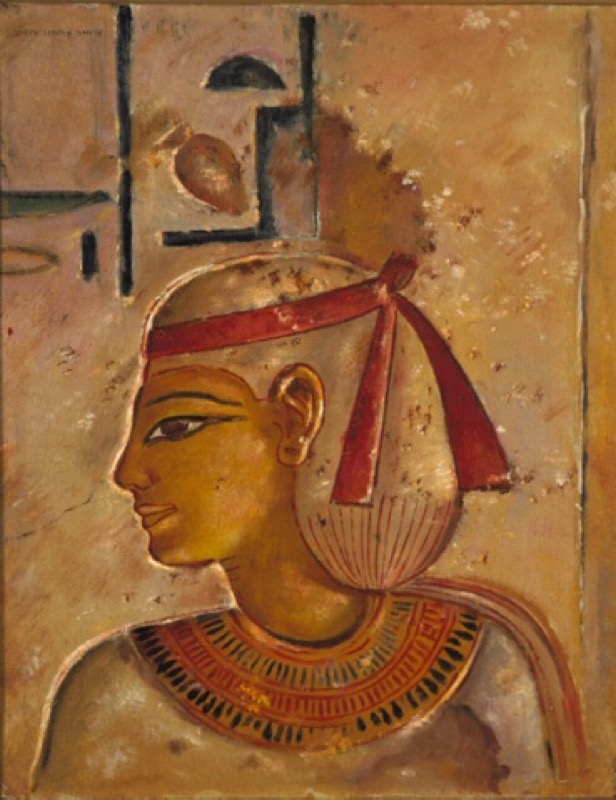
Valley of the Kings entrance in the arid limestone hills of the West Bank Luxor
Upper Egypt — West Bank Luxor

Valley of the Kings

For approximately five centuries — from Thutmose I (c.1506 BCE) to Ramesses XI (c.1107 BCE) — the pharaohs of Egypt's New Kingdom selected this isolated limestone wadi in the Theban hills as their burial ground. The choice was deliberate: the pyramid-shaped peak of El-Qurn visible above the valley aligned the burial site symbolically with the pyramid tradition while making it far more defensible against tomb robbery. The strategy ultimately failed — virtually every royal tomb was robbed in antiquity, in many cases within decades of the burial — but the painted decoration of the corridors and burial chambers survived largely intact. The funerary texts, which narrate the nightly journey of the sun-god through the twelve hours of the underworld and the threats that must be overcome to achieve rebirth, represent the most sustained example of pharaonic theological art anywhere in Egypt. Standard admission covers three tombs from the general rotation. KV62, KV17, and other premium tombs require separate tickets. Visit before 09:00 for manageable crowds.

West Bank day tour →
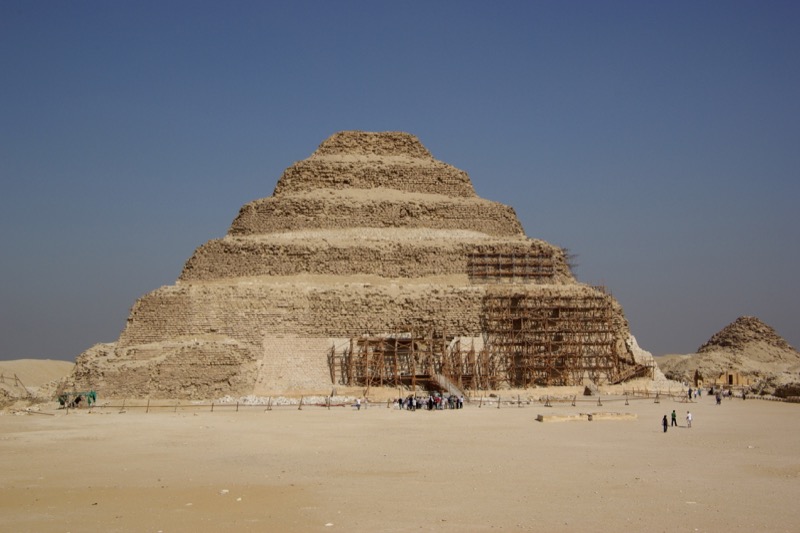
Step Pyramid of Djoser at Saqqara rising above the desert necropolis
Lower Egypt — Giza Governorate

Saqqara Necropolis

Saqqara is the royal necropolis of Memphis, ancient Egypt's first capital, and one of the most archaeologically significant sites on earth. The Step Pyramid of Djoser — designed by the architect Imhotep around 2650 BCE — is the oldest complete monumental stone structure in the world and represents a conceptual leap from the earlier mastaba tomb form. The surrounding mortuary complex is also largely intact and extraordinary in scale. Elsewhere at Saqqara: the Pyramid of Unas (c.2375 BCE) contains the oldest known religious text in the world, the Pyramid Texts, inscribed in the burial chamber and antechamber. The Serapeum, reopened to visitors, houses the enormous granite sarcophagi of the sacred Apis bulls — each sarcophagus weighing 70 tonnes. The mastaba tombs of Mereruka, Ti, and Kagemni contain some of the finest preserved painted and carved reliefs of the Old Kingdom period. Admission: EGP 400 general; additional tickets for Serapeum and individual tombs.

Cairo day tour including Saqqara →
Abu Simbel Great Temple of Ramesses II with four colossal statues on the cliff face
Nubia — Aswan Governorate

Abu Simbel Temples

Abu Simbel presents the most extreme logistical challenge of any major archaeological site in Egypt — it sits 280km south of Aswan on the edge of Lake Nasser, accessible only by a long desert road or a short flight. The effort is unambiguously justified. The two rock-cut temples of Ramesses II (the Great Temple) and his principal queen Nefertari were carved from the living sandstone cliff between approximately 1264 and 1244 BCE. They were then literally relocated in 1964–68, cut into blocks and reassembled inside an artificial hill 65 metres higher up the cliff, to save them from the rising waters of the new lake. The solar alignment phenomenon — where the rising sun illuminates the four statues in the innermost sanctuary on approximately 22 February and 22 October each year, dates believed to correspond to the king's birthday and coronation — is one of the most precisely engineered astronomical features of any ancient building. The smaller Temple of Nefertari contains painted reliefs of extraordinary quality. Overnight stays in Abu Simbel village allow a dawn visit before the convoy crowds arrive.

Visitor tips for remote sites →
Philae Temple complex on its island in the Nile near Aswan
Aswan — Island Temples

Philae Temple of Isis

The temple complex on Agilkia Island — like Abu Simbel, relocated to save it from the rising waters of Lake Nasser — is dedicated to the goddess Isis, one of the most widely venerated deities in the ancient world. The main temple was begun in the late Ptolemaic period and completed during Roman administration of Egypt, making Philae one of the best-preserved examples of the hybrid Greco-Egyptian architectural style that characterised the last centuries of pharaonic religion. It remained in use as an active cult site until approximately 550 CE — making it one of the last temples where the ancient Egyptian religious rites were performed. The island is accessed by a short motorboat crossing from the Aswan marina. Admission: EGP 180. The evening Sound and Light show is one of the better ones in Egypt.

Aswan day tour guide →
Abydos Temple of Seti I with well-preserved painted reliefs in the inner corridors
Upper Egypt — Sohag Governorate

Abydos: Temple of Seti I

Abydos is the most important religious centre in ancient Egypt after Karnak, and the Temple of Seti I contains the finest painted painted reliefs of the New Kingdom period — arguably the finest in all of Egyptian heritage. The colours in the inner sanctuaries have remained astonishing for 3,300 years, protected by the site's remote location and relatively low visitor numbers. The temple is built on an L-shaped plan unique in Egyptian architecture, and contains seven sanctuaries dedicated to seven different deities (plus the deified Seti himself). The nearby Osireion — a cenotaph to Osiris built by Seti I at the symbolic level of the primordial waters — is one of the most architecturally mysterious structures in Egypt. The site is 160km north of Luxor, reachable by train and taxi. Admission: EGP 200.

Abydos day trip from Luxor →
Quick Reference

Current Admission Prices (Verified November 2024)

Site Location Standard Admission Additional Tickets Opening Hours
Giza Pyramids + SphinxGiza PlateauEGP 400Great Pyramid interior EGP 400; Solar Boat Museum EGP 10007:00–17:00 daily
Karnak TempleLuxor, East BankEGP 450Open Air Museum EGP 10006:00–17:30 daily
Luxor TempleLuxor city centreEGP 20006:00–22:00 daily
Valley of the Kings (3 tombs)West Bank, LuxorEGP 360KV62 (Tutankhamun) EGP 300; KV17 (Seti I) EGP 10006:00–17:00 daily
Valley of the QueensWest Bank, LuxorEGP 180QV66 (Nefertari) EGP 1,80006:00–17:00 daily
SaqqaraGiza GovernorateEGP 400Serapeum EGP 100; individual mastabas EGP 100 each08:00–17:00 daily
Abu Simbel (both temples)280km south of AswanEGP 54005:00–18:00 daily
Philae (Agilkia Island)Aswan, boat requiredEGP 180 + boatBoat approx. EGP 150 per group07:00–17:00 daily
Abydos (Temple of Seti I)160km north of LuxorEGP 200Temple of Ramesses II EGP 10008:00–17:00 daily
Medinet Habu (Luxor)West Bank, LuxorEGP 20006:00–17:00 daily

Prices correct as of November 2024. All prices in Egyptian Pounds (EGP). Subject to change by the Egyptian Ministry of Tourism and Antiquities. Student discounts available at all sites on production of valid student ID.

Plan Your Route

Which sites can you combine in a day?

Our day tour guides give you realistic itineraries for combining sites based on transit times, site opening hours, and sensible allocation of time. Not everything makes sense to rush.

Day tour itineraries →