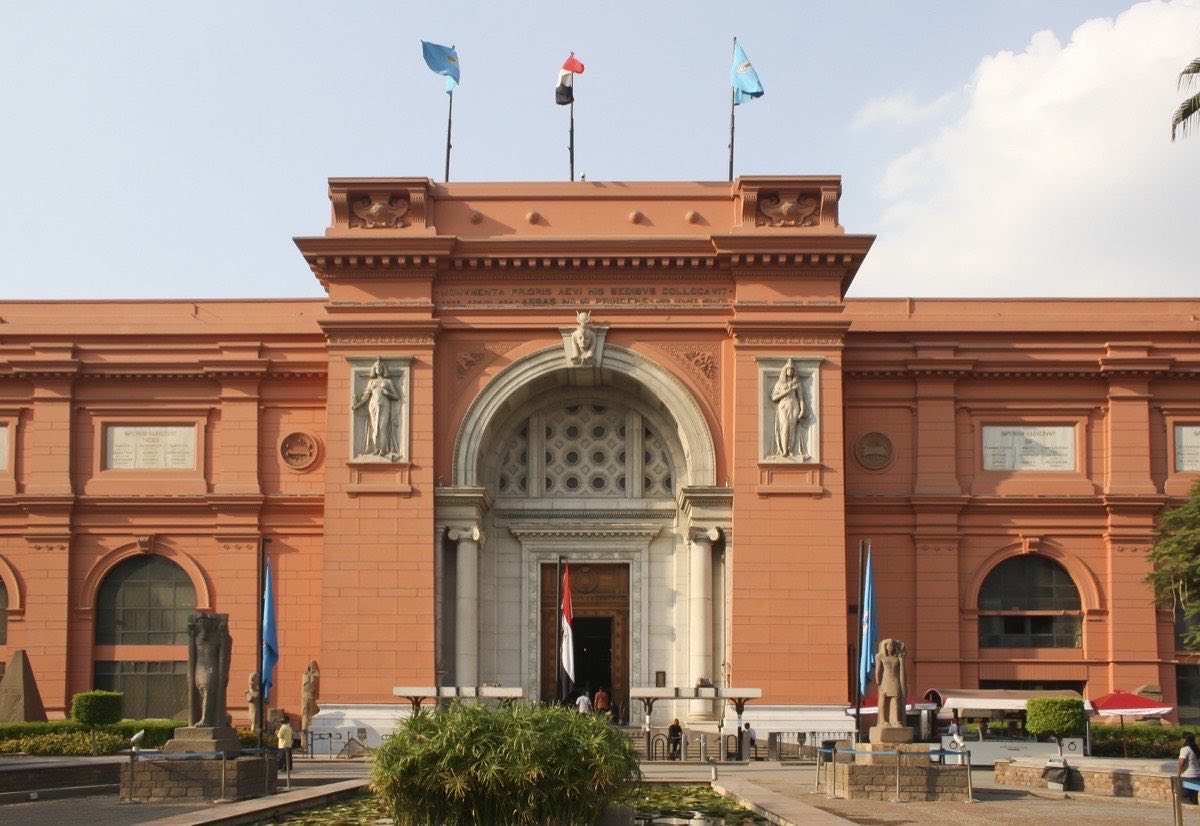
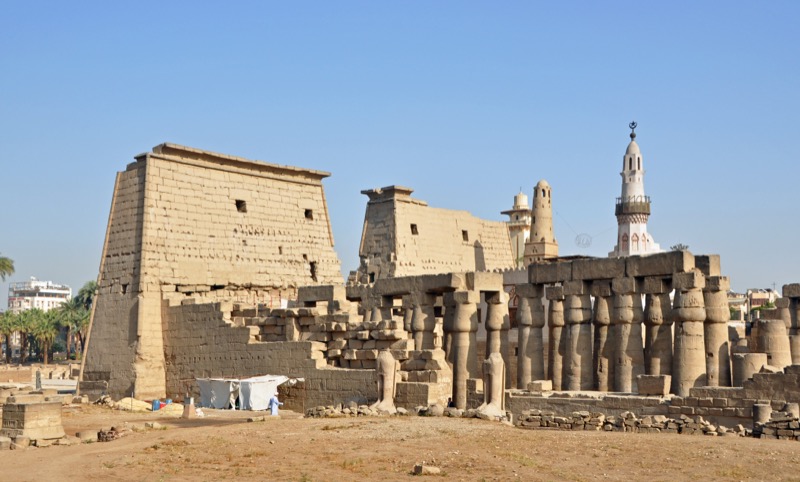
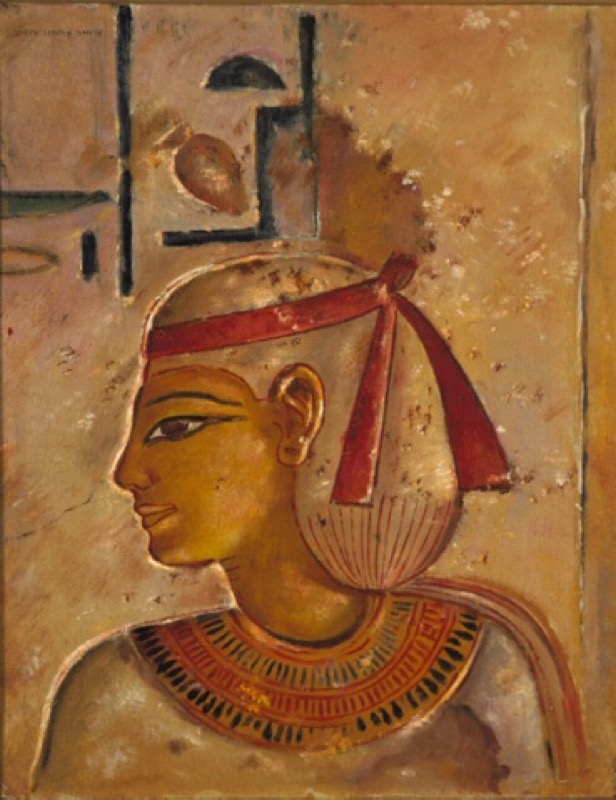
Cairo is one of the most historically layered cities on earth. The metropolitan area encompasses the ancient settlement of Memphis (now Mit Rahina, south of the city), the Pharaonic-era pyramid fields at Giza, Saqqara, Dahshur, and Abu Sir, the Ptolemaic and Roman remains of Babylon Fortress in Old Cairo, the Coptic Quarter with its early Christian churches and Egypt's oldest synagogue, the Islamic medieval city established by the Fatimid Caliphate in 969 CE, and the Ottoman and nineteenth-century Khedivial districts centred on Tahrir Square and the Midan Opera.
Most visitors encounter only a small portion of this depth. The standard tourist circuit — pyramids, Egyptian Museum (now the GEM), Khan el-Khalili bazaar — scratches the surface but misses the majority of what makes Cairo extraordinary. Our city guide identifies five distinct Cairo heritage walks that a visitor could spend a full day on each, covering Islamic Cairo's Al-Muizz Street and Citadel, the Coptic Quarter and Ben Ezra Synagogue, the Mamluk necropolis of the City of the Dead, the Khedivial downtown district, and the Giza-Saqqara ancient corridor.
For the Al-Muizz Street walk specifically: the street runs through the heart of the medieval Fatimid city and contains a continuous sequence of Islamic architecture spanning the tenth through nineteenth centuries — mosques, mausoleums, palaces, and caravanserais — more densely concentrated than anywhere else in the world. The northern section, from Bab al-Futuh to the Khan el-Khalili crossroads, can be walked in two to three hours. The southern section continues to the Bab Zuwayla gate and the district of the Coppersmiths.
- Al-Muizz Street heritage walk: 4–6 hours for both sections
- Coptic Quarter and Old Cairo: 3–4 hours including Ben Ezra Synagogue
- Cairo Citadel with Mosque of Mohammed Ali: 2–3 hours
- Khedivial Downtown: 2 hours on foot from Tahrir to Heliopolis
- The City of the Dead (northern and southern cemeteries): half-day