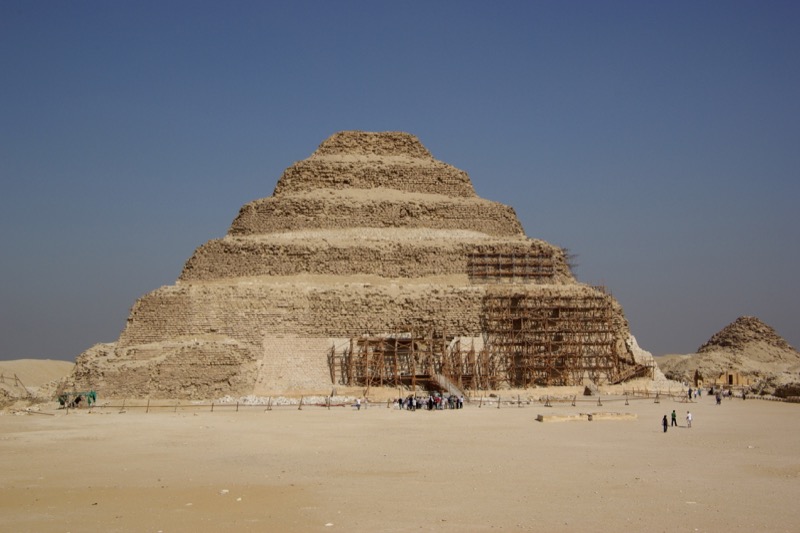
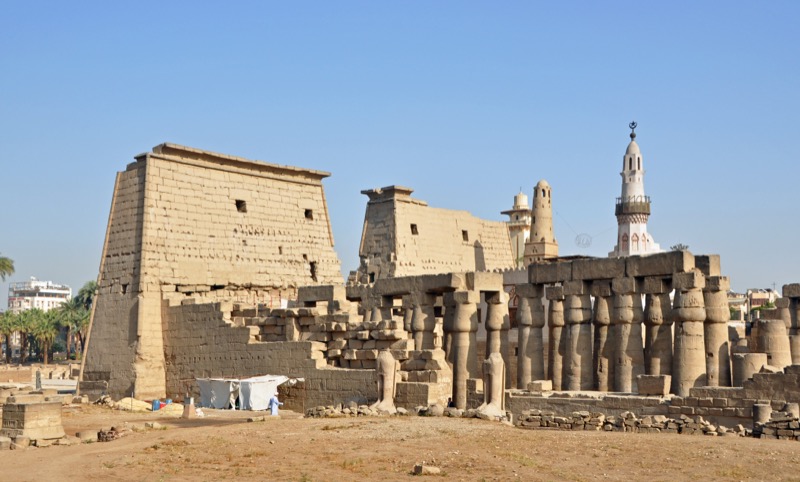
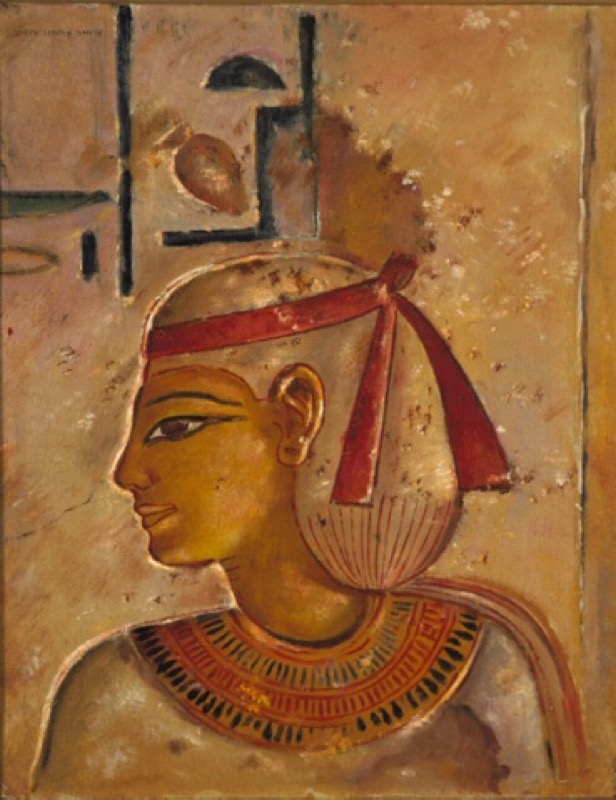
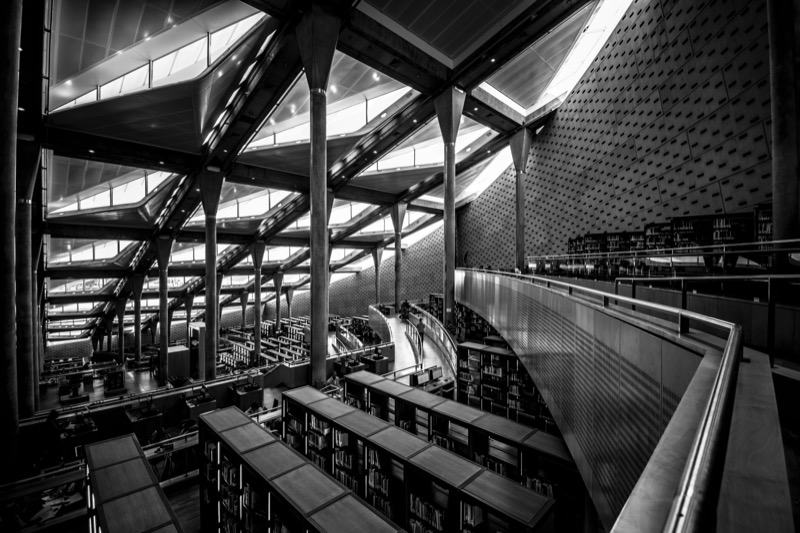
Interior of a major Egyptian museum with ancient statuary in a grand hall
Museum Guide

Egypt's Top Museums: What to Visit and Why

Egypt's museums hold one of the most significant concentrations of ancient artefacts anywhere on earth. This guide identifies the twelve institutions that our researchers regard as essential for understanding the breadth of Egyptian civilisation, with honest assessments of each.

Giza Plateau

The Grand Egyptian Museum (GEM)

The largest archaeological museum in the world, opened to the public in 2023 after more than two decades of construction. Its location adjacent to the Giza Plateau means it can be combined with a visit to the pyramids in a single day — though both sites deserve considerably more time than most visitors allocate.

The Grand Egyptian Museum occupies a 480,000 square metre site at the edge of the Giza Plateau. Its collections were assembled from the Egyptian Museum in Tahrir Square (whose contents were transferred wholesale), supplemented by significant artefacts from provincial museums and storehouses across Egypt. The result is a collection of over 100,000 objects spanning Egypt's entire recorded history — from the Predynastic period through the Ptolemaic and Roman eras.

The focal point of the museum is the Tutankhamun galleries — 11 rooms displaying the complete contents of tomb KV62, including the celebrated golden death mask, the innermost gold coffin, the royal thrones, chariots, furniture, weapons, ritual objects, and the approximately 5,000 other items that Howard Carter's team documented over a decade of careful excavation after the tomb's discovery in 1922. Until the GEM opened, these objects had never been displayed as a unified collection — various items had been in storage since their excavation. Seeing the totality of what was buried with a pharaoh who died around the age of nineteen is genuinely arresting.

The museum's main staircase, spanning 87 metres in height, is lined with 87 statues of Ramesses II, transferred from sites around Egypt to create a processional approach to the upper galleries that functions both as an architectural statement and a survey of one of ancient Egypt's most prolific building pharaohs. The atrium overlooking the Giza pyramids — through the museum's angled glass facade — provides one of the most memorable architectural juxtapositions in contemporary museum design.

  • Open daily 09:00–17:00 (last entry 16:00); Ramadan hours vary
  • General admission: EGP 600; Tutankhamun galleries: EGP 300 additional
  • Located at Al Remaya Square, Giza — 2km from the Great Pyramid
  • Fully accessible by wheelchair throughout the building
  • Audio guides available in English, Arabic, French, Spanish, and German
  • Recommended minimum visit: 4–6 hours; full day for the Tutankhamun section
Grand Egyptian Museum exterior with the Giza pyramids visible in the distance
Aswan Governorate

The Nubian Museum, Aswan

Nubian Museum Aswan exterior surrounded by granite boulders and desert vegetation

Opened in 1997 and awarded the Aga Khan Award for Architecture in the same year, the Nubian Museum in Aswan is widely regarded as the finest museum building in Egypt and one of the most sensitively designed cultural institutions on the African continent. Its architecture integrates the native granite of the Aswan landscape into a building that functions simultaneously as a museum, a statement of Nubian cultural identity, and a memorial to the communities displaced by the construction of the Aswan High Dam in the 1960s.

The museum's permanent collection spans over 50,000 years of Nubian history — from prehistoric rock art through the Pharaonic period, when Nubia (ancient Kush) was both a subordinate territory and a rival power to Egypt, through the Christian Nubian kingdoms of the medieval period, and the Islamic Nubian culture that existed until the flooding of Lake Nasser in 1970–71 submerged dozens of villages. The collection includes artefacts rescued during the UNESCO campaign to save Nubian monuments — the same campaign that relocated Abu Simbel and Philae.

The garden surrounding the museum contains reconstructed elements of a Nubian house in the traditional style, rock carvings, and a small collection of relocated architectural fragments from the Lake Nasser region. On a clear evening, the setting among granite boulders with the river nearby provides one of the most pleasant environments of any museum visit in Egypt.

  • Open daily 09:00–21:00 (extended evening hours year-round)
  • Admission: EGP 200 for adults
  • Located on Abtal al-Tahrir Street, Aswan — 15 minutes by taxi from the city centre
  • Level access throughout; garden paths are firm-surfaced and manageable
  • Recommended minimum visit: 2–3 hours; the garden warrants an additional hour
See Nubian archaeological sites →
National Collections

Other Essential Egyptian Museums

Beyond the two flagship institutions above, Egypt's other major museums offer specialised collections that reward visits from visitors with specific interests — Coptic heritage, Greco-Roman history, Islamic art, and regional pharaonic finds.

Coptic Museum Old Cairo courtyard with wooden mashrabiya screen
Old Cairo — Coptic Quarter

Coptic Museum, Cairo

The Coptic Museum, founded in 1910 in the heart of the Coptic Quarter of Old Cairo, holds the largest collection of Coptic Christian art in the world — over 16,000 objects spanning from the first centuries CE through to the nineteenth century. The collection includes illuminated manuscripts, woven textiles, carved ivories, metalwork, and painted icons. The museum occupies two buildings — one from the nineteenth century with exceptional carved wooden interiors, the other a modern gallery block — linked by a courtyard garden. It sits beside some of Egypt's oldest churches, including the Hanging Church (Al-Moallaka) and the Church of St Sergius, traditionally built over the cave where the Holy Family sheltered during their flight to Egypt.

Admission: EGP 180. Open daily 09:00–17:00. Located in the Coptic Quarter, Mari Girgis, Old Cairo — accessible by Metro (Mari Girgis station, line 1).

Old Cairo city guide →
Greco-Roman Museum Alexandria gallery with ancient marble sculptures and artefacts
Alexandria — Mediterranean Heritage

Greco-Roman Museum, Alexandria

Reopened after extensive renovation, the Greco-Roman Museum in Alexandria holds the finest collection of Hellenistic and Roman-period artefacts in North Africa. Founded in 1892, it was originally assembled to document the extraordinary density of Hellenistic remains beneath and around modern Alexandria. The collection includes the marble head of Alexander the Great, Ptolemaic royal portraits, Tanagra figurines, coins, glassware, mosaics, and the famous Black Room with its intact Roman-period painted decoration. The museum building itself — a neoclassical structure from the 1890s — has been beautifully restored. Admission: EGP 180. Open daily except Tuesday.

Alexandria heritage guide →
Luxor Museum gallery with illuminated ancient Egyptian artefacts in showcases
Luxor City

Luxor Museum

The Luxor Museum is a model of how to display Egyptian antiquities with intelligence and care. Opened in 1975 and expanded in 1991, it holds a relatively small but exceptionally well-chosen collection of objects from the Theban region — including two royal mummies (one of which is believed to be Ramesses I), the famous Cachette Court statues from Karnak, Thutmose III's alabaster shrine, and a striking two-metre granite head of Amenhotep III. The lighting is exceptional and the labelling among the best in Egypt. Admission: EGP 200. Open daily 09:00–22:00. Located on the Corniche, Luxor, five minutes' walk from Luxor Temple.

Luxor site guides →
Visitor Questions

Museum Visit Questions

The Grand Egyptian Museum charges EGP 600 for general admission that covers the permanent galleries. The Tutankhamun galleries require a separate premium ticket of EGP 300. Combined, a full visit costs EGP 900 per person. Audio guides cost an additional EGP 80. Prices are set by the Egyptian Ministry of Tourism and Antiquities and may change. Our guide carries a last-verified date and is updated quarterly. Student discounts are available on production of a valid student card at the ticket office.

For breadth and significance, the Grand Egyptian Museum is the obvious choice — it holds over 100,000 artefacts including the complete Tutankhamun collection and provides an overview of the full span of ancient Egyptian history. For visitors who find large institutions overwhelming, the Luxor Museum offers an excellent curated selection of high-quality objects in a more manageable format, with outstanding labelling. The Nubian Museum in Aswan is essential for anyone interested in the full picture of Northeast African civilisation, including cultures often overlooked in Cairo-centric narratives of Egyptian history.

Photography rules vary by institution and gallery. At the Grand Egyptian Museum, photography is permitted in most areas without flash; the Tutankhamun galleries prohibit photography entirely. The Nubian Museum and Luxor Museum permit photography for personal use without flash in all areas. Professional photography and video production requires a separately purchased permit from each institution. Rules on tripod use and selfie sticks vary — check at the entrance. Individual galleries within larger museums sometimes post specific photography restrictions, which should be observed.

For the Grand Egyptian Museum, advance online booking is strongly recommended, particularly during peak season (October–April) and Egyptian public holidays. Walk-up queues can be substantial and same-day availability for the Tutankhamun galleries in particular is frequently exhausted by mid-morning. The Nubian Museum, Luxor Museum, and Coptic Museum rarely require advance booking except during Egyptian national holidays. The Greco-Roman Museum in Alexandria can generally be accessed on the day without booking.

The Grand Egyptian Museum was designed to contemporary accessibility standards and is fully wheelchair accessible throughout all public areas, including the Tutankhamun galleries. The Nubian Museum in Aswan is largely accessible, with ramped access to all galleries and lifts to upper floors; the garden requires some navigation over uneven paths but is manageable. The Luxor Museum has level access to all galleries. The Coptic Museum has limited accessibility — the main galleries are accessible, but the upper floor of the historic building requires stair access. The Greco-Roman Museum in Alexandria, despite its renovation, retains some stair-only transitions between gallery levels. Our detailed guide for each institution includes a dedicated accessibility section.

Continue Exploring

See the sites that produced these collections

The artefacts in Egypt's museums came from the temples, tombs, and excavation sites you can still visit. Our archaeological site guides give you the context to connect what you saw in the museum with where it was found.

Archaeological site guide →