Visiting Egypt's Heritage Sites with Children
Egypt's monuments can be genuinely transformative for young visitors — but the experience depends heavily on which sites you choose, when you visit, and how you structure the day. This guide gives practical, honest advice for families planning a heritage-focused Egypt trip.
Egypt with Children: What Actually Works
Egypt is not always straightforward for family travel, but it can be outstanding. The monuments themselves are often more immediately engaging for children than adults expect — pyramids and mummies have a natural pull. The challenge lies in managing heat, distances, and visit durations appropriately for different age groups.
The key insight from families who have done Egypt trips successfully is this: structure each day around one main site, not three. The Giza Plateau is a full morning for adults; with young children, it may be everything a family can manage in a day before energy and patience are depleted. Trying to add Saqqara in the afternoon on the same day as Giza — a common itinerary suggested by tour operators — typically results in an exhausted, heat-stressed visit to one of Egypt's most rewarding sites.
The second insight: certain sites are objectively better suited to young visitors than others. The Giza Pyramids, the Grand Egyptian Museum's Tutankhamun section, the Luxor Temple (particularly at night when it is illuminated), and the Nubian Museum in Aswan all work well for families with children from about age seven upward. The Valley of the Kings — interesting in principle, but cramped, hot, and requiring significant steps in steep descending passages — is better suited to older children and teenagers. Most tomb complexes (with the notable exception of some that have relatively spacious corridors) are uncomfortable environments for very young children.
Season matters more for family travel than for adult-only trips. Visiting in summer with children under twelve is genuinely not advisable for outdoor sites. October through March is the window for comfortable family heritage visits. November is the sweet spot: school holiday timing for many European families, optimal temperatures, and a manageable crowd level at major sites.
Which Sites Work for Which Ages
| Site | Best Age Group | Why It Works | Considerations |
|---|---|---|---|
| Giza Pyramids + Sphinx | All ages (5+) | Visually overwhelming scale; immediate comprehension without context; camels nearby; open space | Sun exposure; uneven ground; persistent touts at the gate |
| Grand Egyptian Museum — Tutankhamun | 8+ | Spectacular gold objects with a clear narrative (boy king, treasure, discovery); excellent lighting; air-conditioned | Very large building; allow breaks; under-5s may find the scale disorienting |
| Karnak Temple | 10+ | Scale of the Hypostyle Hall is immediately impressive; good lighting; open spaces between structures | No shade in most areas; extensive walking; busy with tour groups 09:00–12:00 |
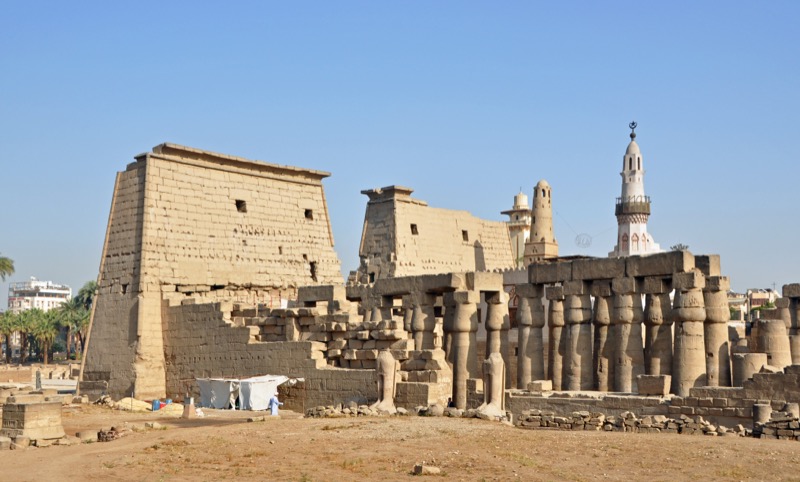
| Luxor Temple (evening visit) | 7+ | The illuminated temple at night is visually extraordinary; cooler temperatures; manageable walking distances | Evening visit requires flexibility in dinner timing; best after 19:00 |
| Valley of the Kings | 12+ | The concept of royal burial is accessible to older children; painted corridors are striking | Steep passages; claustrophobic for some; very hot midday; significant queuing for popular tombs |
| Temple of Hatshepsut | 10+ | Visually distinctive three-tier structure; story of the female pharaoh resonates with many young visitors | Exposed to sun; limited shade; electric shuttle from Valley of the Kings available |
| Nubian Museum, Aswan | 8+ | Well-designed displays; excellent labelling; air-conditioned; garden for breaks; manageable size | Aswan requires travel from Cairo or Luxor |
| Philae Temple | 7+ | Short boat ride adds excitement; compact site; good shade; Story of Isis comprehensible for young visitors | Boat hire requires negotiation; uneven surfaces on the island |
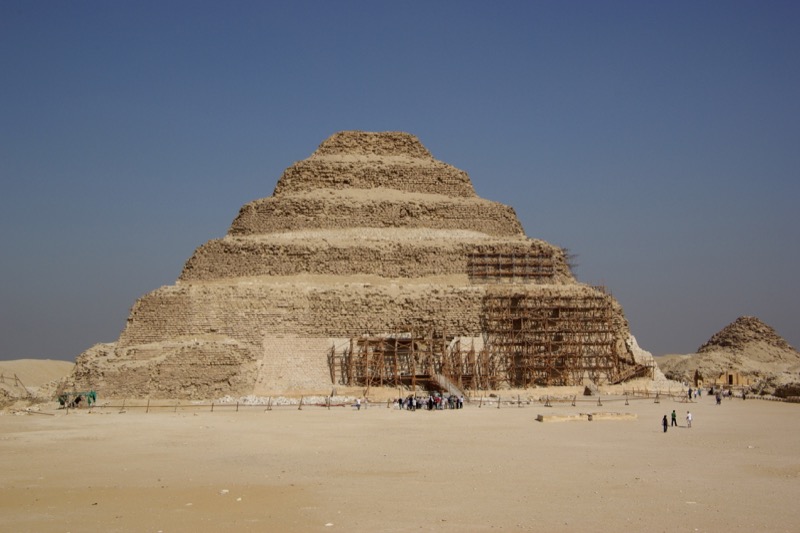
| Saqqara | 10+ | Most interesting archaeological site for older children interested in how things are discovered; Step Pyramid visually dramatic | Large site; some walking between monuments; Serapeum requires good light tolerance |
Making the Most of a Family Heritage Day
Transport and Pacing
For family travel in Egypt, private car hire is significantly less stressful than public transport or taxis negotiated per-journey. A driver who will wait at each site and transport your family with luggage and supplies between locations eliminates dozens of small friction points in the day. The cost, when divided across a family group, is modest. Most Cairo and Luxor hotels can arrange a reliable driver through the concierge for a flat daily rate — negotiate this the evening before each travel day.
Start every major site by 07:30 at the latest. Children's energy levels and heat tolerance both diminish through the day. An early start allows you to cover the most important parts of any site before the midday heat and before the large tour group buses arrive. Most families find that a three-to-four hour morning at one site is the productive maximum, after which lunch and rest should follow. If a second site is planned for the afternoon, choose one that has good shade, air conditioning, or evening opening hours.
Making Heritage Engaging for Children
The most effective preparation for children visiting Egyptian heritage sites is not a comprehensive lecture on ancient history — it is a handful of specific stories and puzzles. Before visiting the Valley of the Kings: read the story of Howard Carter and the discovery of KV62. Before Giza: the puzzle of how the pyramids were built. Before the GEM: focus specifically on Tutankhamun — the boy who became pharaoh, the tomb that was hidden for 3,000 years. One good story per site beats a comprehensive briefing on the New Kingdom every time.
Inside sites, give children a specific observation task rather than asking them to "look at everything". At Karnak: count the columns in one row of the Hypostyle Hall. At the Valley of the Kings: identify the sun in the ceiling paintings (the circle on a boat). At the GEM: find the smallest object in the Tutankhamun galleries. Focused attention transforms passive sightseeing into active discovery. Our family guide pages for individual sites include a short list of age-appropriate observation tasks for each location.
Sun, Heat, and Food
Sun protection for children at Egyptian heritage sites is not optional — the desert sun at open-air sites is intense even in winter. SPF 50+ sunscreen applied before departure, reapplied every 90 minutes, a hat with a brim, and UV-protective long sleeves for young children are the minimum. Carry 1.5–2 litres of water per child for a morning outing. The first signs of heat exhaustion in children — irritability, refusal to drink, cessation of sweating — can escalate quickly in hot conditions. When these appear, exit to shade or air conditioning immediately.
Food at major sites is available at kiosks and cafeterias but quality and safety are variable. Carry enough food for the morning from your hotel — sealed snacks, fruit, and sealed bottled water. Avoid ice cream from unlicensed vendors at site entrances. Dinner at established restaurants in Luxor, Aswan, or Cairo is generally safe; street food from unfamiliar vendors carries a higher risk of traveller's diarrhoea, which is significantly more disruptive for children than for adults.
Family itinerary consultation
Our researchers have planned Egypt trips for families with children of all ages. If you want advice on a specific itinerary, the contact form is the fastest way to get a useful response tailored to your family's ages and interests.