Pyramids of Giza at sunrise with the desert plateau stretching toward the horizon
4,500 Years of recorded history
138 Sites reviewed in-depth
11 Years of field research
Independent Heritage Guides

Navigate Egypt's Ancient World with Confidence

From the Grand Egyptian Museum's unprecedented collection to the remote rock-cut temples of Abu Simbel, NilePath Heritage provides the practical depth and historical context that turns a sightseeing trip into a genuine encounter with antiquity. Every guide is written by specialists who work in the field.

01
Field-Verified Accuracy
Every opening hour, admission price, and access route is confirmed on-site and updated quarterly. You will not arrive to find a closed gallery.
02
Expert Narrative
Our writers hold advanced degrees in Egyptology, Near Eastern Archaeology, or Islamic Heritage. The context they provide transforms what you see.
03
Independent Viewpoint
No paid placements. No affiliate links to tour operators. Recommendations are based solely on quality, accessibility, and scholarly merit.
04
Practical Logistics
Transport connections, best arrival times, crowd patterns, photography permits, and accessibility information for every major site.
Featured Destinations

Egypt's heritage extends far beyond the Giza Plateau. Our guides span the length of the Nile Valley, from the Mediterranean coast to the Nubian temples south of Aswan. Below are six destinations our researchers consider essential for any serious visitor to Egyptian antiquity.

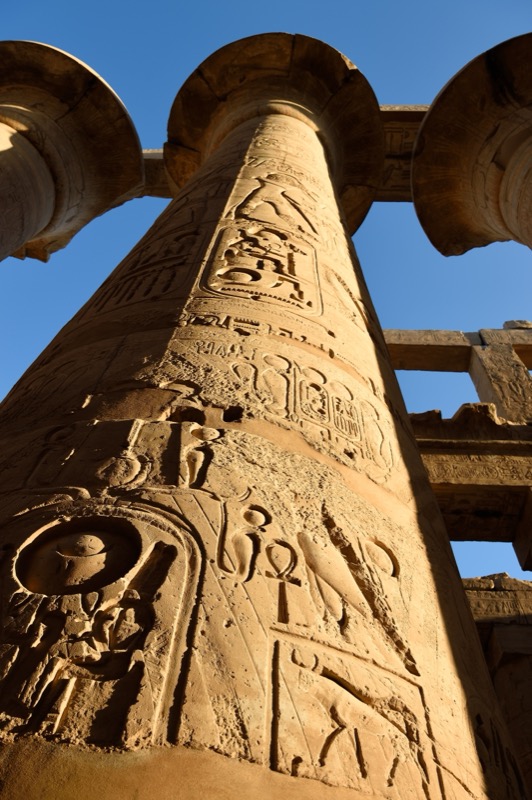
Karnak Temple complex at Luxor showing the Avenue of Sphinxes and towering pylons
Upper Egypt — Luxor

Karnak Temple Complex

The largest religious building ever constructed, Karnak was expanded by successive pharaohs over 1,500 years. The Hypostyle Hall alone, with its 134 columns rising to 23 metres, requires a full morning to absorb. Our guide covers the sacred lake, the open-air museum, and the best sequence for navigating the precinct without doubling back.

Read the full site guide →
Abu Simbel Great Temple facade with four colossal statues of Ramesses II carved into the cliff face
Nubia — Aswan Governorate

Abu Simbel Temples

Commissioned by Ramesses II around 1264 BCE, these twin rock-cut temples were relocated in one of the most complex engineering feats of the twentieth century to save them from the rising waters of Lake Nasser. The solar alignment of the inner sanctuary — where sunlight reaches the statues of the gods twice yearly — is one of ancient Egypt's most precise astronomical achievements.

Read the full site guide →
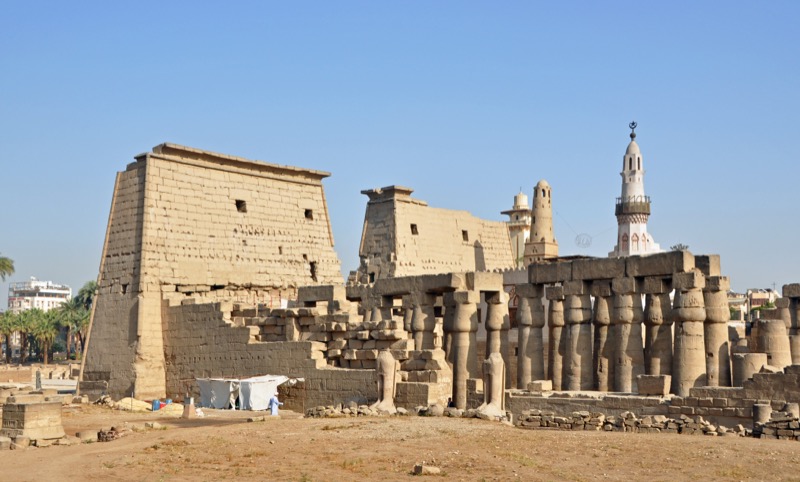
Luxor Temple illuminated at dusk with the colonnade of Amenhotep III reflected in evening light
Upper Egypt — Luxor

Luxor Temple

Unlike most Egyptian temples dedicated to a specific deity, Luxor Temple was built primarily as a place of rejuvenation for the pharaoh. Located in the heart of modern Luxor city, it offers a uniquely immersive experience where ancient monuments emerge from a living urban landscape. Our guide details the Byzantine church, the mosque of Abu Haggag built within the ancient walls, and the newly restored Avenue of Sphinxes.

Read the full site guide →
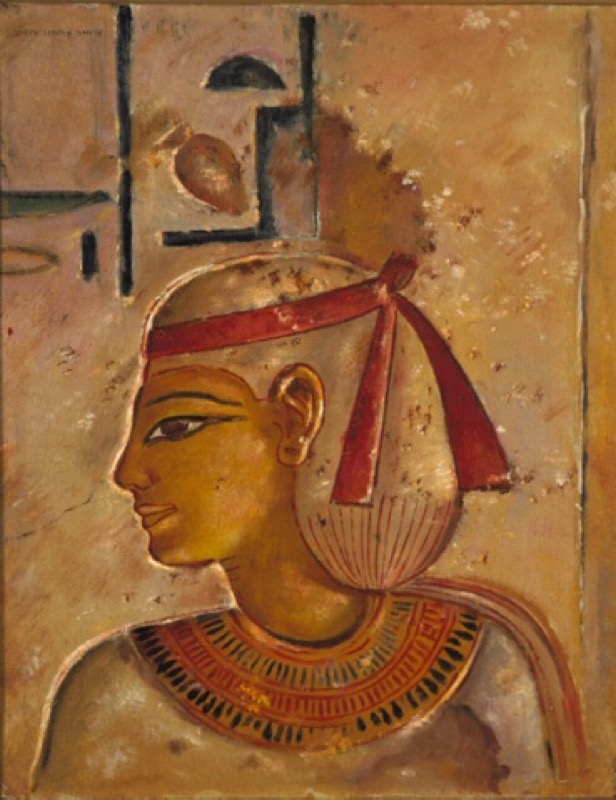
Valley of the Kings entrance with rocky limestone hills and the entrance to royal tombs
Upper Egypt — West Bank Luxor

Valley of the Kings

For five centuries, the pharaohs of the New Kingdom chose this remote wadi in the Theban hills as their burial ground. More than 60 royal tombs have been discovered here, painted with elaborate scenes from the funerary texts — the Book of the Dead, the Amduat, and the Litany of Ra. We cover ticket stratification, which tombs are currently open, and which offer the best-preserved painted decoration.

Read the full site guide →
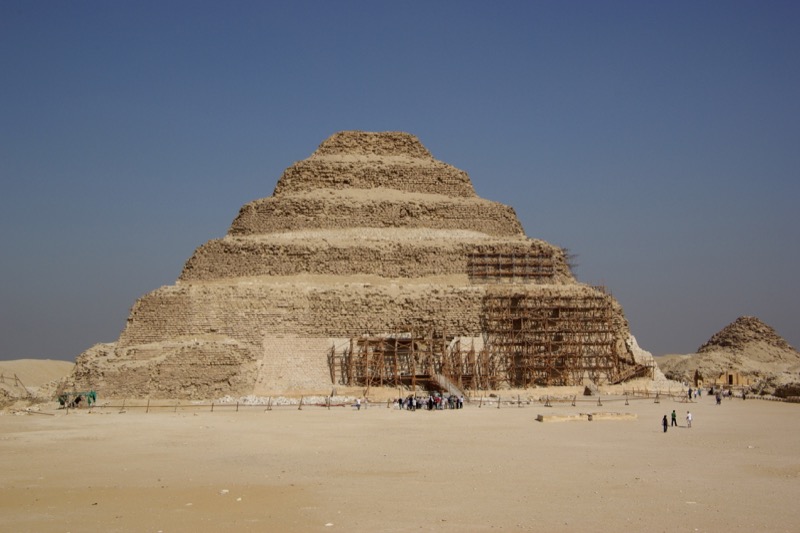
Saqqara Step Pyramid of Djoser rising from the desert plateau south of Cairo
Lower Egypt — Giza Governorate

Saqqara Necropolis

Saqqara is arguably the most archaeologically rich site in Egypt. The Step Pyramid of Djoser — the world's oldest monumental stone structure — stands here alongside the Pyramid of Unas with its intact Pyramid Texts, the vast network of mastaba tombs, and the recently reopened Serapeum with its giant granite sarcophagi of the Apis bulls. New excavations continue to yield major discoveries each season.

Read the full site guide →
Bibliotheca Alexandrina modern library building overlooking the Mediterranean Sea in Alexandria
Mediterranean — Alexandria

Alexandria & its Museums

Egypt's second city preserves a layered heritage spanning Ptolemaic, Roman, Jewish, Christian, and Islamic history. The Bibliotheca Alexandrina houses superb archaeological collections and research facilities. The Greco-Roman Museum, following its extended renovation, displays the finest collection of Hellenistic and Roman-period artefacts in North Africa. Underwater excavations in the Eastern Harbour continue to recover remains of the ancient royal quarter.

Read the full site guide →
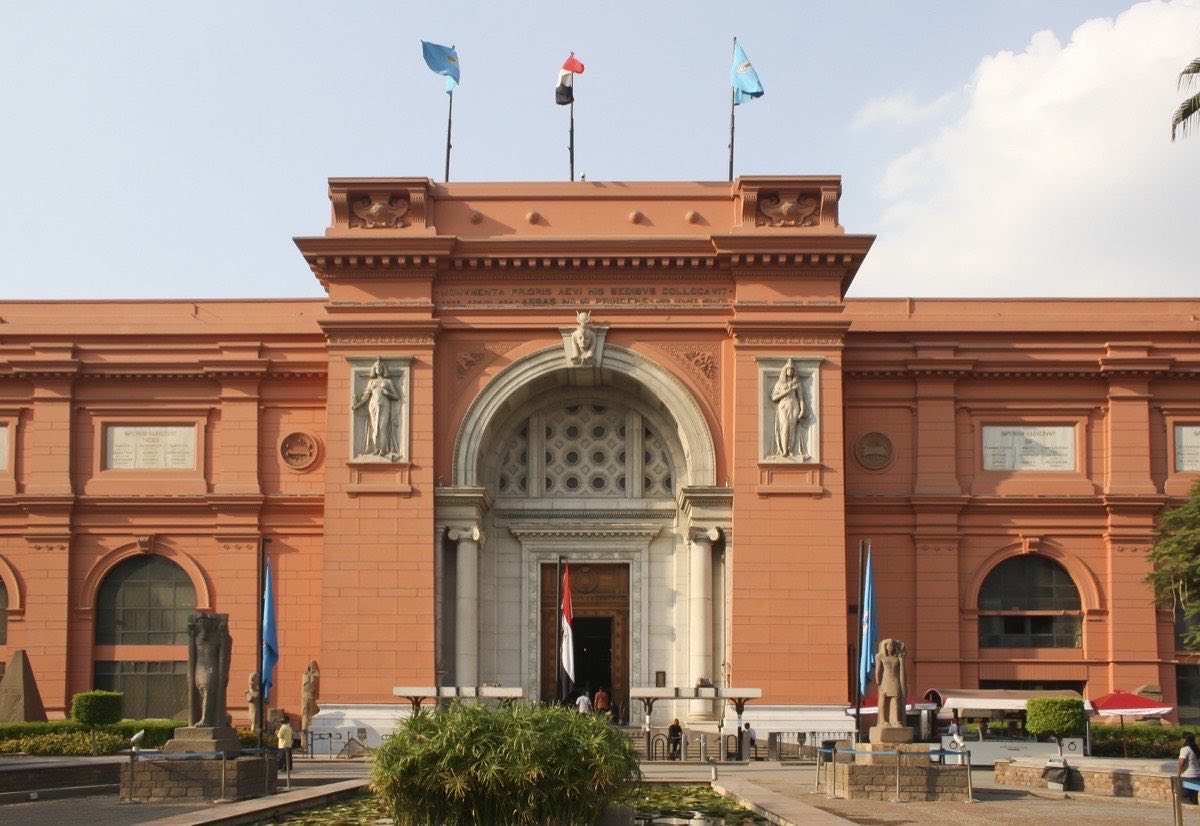
Egyptian Museum Cairo grand entrance hall with pharaonic statues lining the walls
Established 2013

Eleven Years of On-the-Ground Research

NilePath Heritage began as a project between two Egyptology graduates who noticed a consistent gap between the academic literature on Egypt's monuments and what visitors actually needed to make sense of what they were seeing. The result was a website that took both dimensions seriously — scholarly rigour and practical utility.

Over the following decade, our team expanded to include specialists in Islamic architecture, Coptic heritage, museum studies, and Nubian culture. We now publish comprehensive guides, lead annual research tours for academic groups, and provide consultancy to cultural institutions developing their public programming.

  • Independent — no commercial relationships with tour operators
  • Peer-reviewed content by practising Egyptologists
  • Quarterly field updates across all major sites
  • Accessibility and logistics data verified on-site
  • Registered cultural information company, Cairo
Our team and methodology →
Explore by Interest

Everything You Need Before You Arrive

Whether you have three hours or three weeks, use these topic guides to match Egypt's heritage to your specific interests and schedule.

Museums

Top Museums of Egypt

From the Grand Egyptian Museum at Giza to the Nubian Museum in Aswan and the Coptic Museum in Old Cairo — each institution explained with collection highlights, ticketing, and visitor flow guidance.

Museum guide →
Field Sites

Archaeological Sites

Open-air archaeological sites across the Nile Valley and Delta — how to read the monuments, what to bring, transport options, and which areas are currently under active excavation.

Site guide →
Day Trips

Day Tours from Cairo & Luxor

Curated itineraries for independent travellers — transit times, entry sequencing, best hours, and what not to miss. Designed to be done without a guide, though we note where specialist interpretation adds value.

Tour itineraries →
City Guides

City Heritage Guides

Cairo, Luxor, Aswan, Alexandria, and Hurghada's archaeological museum — heritage walks, neighbourhood history, and the monuments hiding in plain sight throughout Egypt's major cities.

City guides →
Seasonal

Seasonal Events & Festivals

The Abu Simbel Sun Festival, Opet Festival re-enactments, seasonal Nile events, and the best times of year to visit specific monuments with optimal light and manageable crowds.

Events calendar →
Families

Family & Youth Visits

Practical planning for families with children — which sites have child-friendly interpretation, suitable walking distances, facilities, and how to make the experience engaging for younger visitors.

Family guide →
How We Work

From Fieldwork to Published Guide

Every guide on this site goes through the same research and review process. We do not publish AI-generated or tourist-board copy. What you read was written by someone who stood at the site, checked the signage, tested the transit routes, and confirmed the admission prices.

01

On-site research visit

A researcher visits the site with a structured checklist covering access, facilities, historical interpretation, collections, photography rules, and visitor experience quality.

02

Academic peer review

Historical and interpretive content is reviewed by a specialist in the relevant period — Old Kingdom sites by a different reviewer to Islamic Cairo, for instance.

03

Editorial and accessibility check

The draft is reviewed for clarity, appropriate depth, and inclusion of accessibility information. We aim for guides that work for expert visitors and curious newcomers alike.

04

Publication and quarterly update

After publication, each guide is flagged for a field update every ninety days. Opening hours, ticket prices, and current closures are the most time-sensitive elements and receive priority attention.

138 Sites with full-length guides
14 Contributing researchers and writers
Annual field checks per guide
Zero Commercial partnerships with operators
Reader Feedback

From Visitors Who Used Our Guides

The Saqqara guide was invaluable. I knew where the Serapeum was, why it mattered, and exactly what I was looking at before I even arrived. Most visitors walked past the Pyramid Texts corridor without realising what they were missing.

Portrait of Margaret K., heritage researcher from Edinburgh
Margaret K.
Heritage Researcher, Edinburgh
★★★★★

We used the Valley of the Kings guide for a school trip with sixteen-year-olds. The historical context was accessible without being dumbed down, and the logistics section saved us from several potential disasters with transport and timing.

Portrait of Dmitri V., secondary school classics teacher
Dmitri V.
Classics Teacher, Thessaloniki
★★★★★

I have visited Egypt three times and wished I had found this resource before the first two trips. The Karnak guide alone contains more actionable detail than four different published travel books I purchased.

Portrait of Constance A., retired museum curator
Constance A.
Retired Museum Curator, Lyon
★★★★★
Common Questions

Before You Begin Planning

All practical information — opening hours, admission fees, photography permissions, facility availability — is updated through quarterly field visits to major sites and through a network of local contacts at smaller sites. Each guide carries a "last verified" date at the top. Seasonal closures and temporary gallery closures at large museums like the Grand Egyptian Museum are updated as quickly as possible, usually within a week of notification. We recommend checking the specific guide within a month of your planned visit for the most time-sensitive details.

No. NilePath Heritage is strictly an information resource. We do not sell tours, act as a booking intermediary, or receive commission from any tour operator, hotel, or transport provider. Our recommendations are editorially independent. Where we mention a particular service or provider, it is because our researchers have used them and found them reliable — there is no commercial relationship behind the mention.

If you are looking for a specialist guided experience, our city guides section includes a methodology for identifying accredited Egyptologist guides who operate through the Egyptian Ministry of Tourism and Antiquities registry.

Accessibility varies enormously across Egypt's heritage sites. Modern institutions like the Grand Egyptian Museum and the Bibliotheca Alexandrina are fully accessible by international standards. Many open-air sites on firm desert ground — including the Giza Plateau and parts of Saqqara — can be navigated by wheelchair with assistance, though surfaces are uneven. The interiors of most royal tombs in the Valley of the Kings involve steep descending passages and are not suitable for wheelchair users. Our individual site guides carry a dedicated accessibility section with specific details about surfaces, ramps, lift availability, and alternative viewing arrangements where they exist.

We actively welcome corrections and updates from visitors with recent first-hand experience. Use the contact form on our contact page and select "Site information correction" from the subject dropdown. Please include the specific guide name, the information you believe is incorrect, and what you observed during your visit along with the approximate date. We verify all flagged information before updating the relevant guide and aim to address corrections within two weeks of receipt.

Yes. NilePath Heritage accepts a limited number of consultancy engagements each year with museums, universities, cultural foundations, and tour organisations developing Egypt-related public programming. Recent projects have included content development for audio guide systems, itinerary design for university study tours, and expert review for documentary productions. Use the contact form and select "Institutional enquiry" to begin a conversation about your project's requirements.

Reach the Team

Have a specific research question?

Our researchers read every message personally. Whether you need guidance on a complex itinerary, want to flag an update, or are exploring a consultancy project, reach the desk directly.

Open the contact form →