All Guides & Reviews

Egypt Heritage Site Reviews

138 independently researched guides covering the full spectrum of Egypt's cultural heritage — from pharaonic temples and royal tombs to Islamic monuments, Coptic churches, and Ptolemaic antiquities.

What Each Review Covers

Our Review Methodology

NilePath Heritage site reviews are not recommendations written from desk research. Every review is based on a minimum of two on-site research visits, separated by at least one year, with subsequent quarterly logistics updates. The structure of each review follows a consistent framework to allow comparison between sites and help visitors allocate time effectively.

Historical Context

Historical and Cultural Significance

Every review opens with a substantive historical introduction — not the two sentences found in a tourist brochure, but a proper account of the site's place in Egyptian history. For major monuments, this section typically runs to 600–900 words and references the current scholarly consensus on date, function, and historical significance. Where interpretations are debated among Egyptologists, the debate is represented honestly.

This section is written to be useful to visitors with no prior background, but substantive enough to hold the interest of someone with a university-level grounding in the subject. The goal is to give visitors the conceptual vocabulary to understand what they are looking at before they arrive, which fundamentally changes the quality of the experience.

Visitor Logistics

Practical Access and Ticketing

Admission prices at Egyptian heritage sites change frequently and the ticketing structure is often more complex than it appears. Several major sites — including the Valley of the Kings, Karnak, and Saqqara — operate multiple ticket tiers that grant access to different areas, with certain tombs and galleries requiring separately purchased premium tickets. Our logistics sections break this down explicitly.

Transport routes from Cairo, Luxor city, and Aswan are covered in detail for each site — including bus routes, taxi fares at the time of our last visit, felucca and ferry connections, and the new electric vehicle shuttles introduced at several Giza sites. We also note where official car parking exists and whether visitors regularly encounter informal "guides" at the gate who are not accredited.

Visitor Experience

Honest Assessment of the Visit

We report what a visit is actually like, not what the promotional material promises. This includes the quality of on-site interpretation (signage, labelling, audio guide availability and quality), the maintenance condition of the site, the behaviour of large tour groups and how their presence affects independent visitors, the state of facilities including toilets and water availability, and any preservation concerns that a responsible visitor should be aware of.

Where the visitor experience falls below what the site's significance merits — poor labelling, aggressive souvenir vendors, a mismatch between ticket price and what is actually accessible — our review says so. This commitment to honest assessment is one reason we do not accept advertising or commercial arrangements with site operators.

Coverage Overview

Reviews by Category

Category Guides Published Geographic Region Access Level
National Museums 12 full reviews Cairo, Alexandria, Aswan, Luxor, Hurghada All plans
Pharaonic Temples 28 full reviews Giza, Abydos, Luxor, Aswan, Sinai All plans
Royal Tombs and Necropoli 19 full reviews Saqqara, Memphis, West Bank Luxor, Valley of the Kings, Valley of the Queens All plans
Nubian Monuments 9 full reviews Aswan Governorate, Lake Nasser Standard, Professional, Scholar
Greco-Roman Sites 15 full reviews Alexandria, Fayum, Oasis sites, Eastern Delta Standard, Professional, Scholar
Islamic Cairo Monuments 24 full reviews Historic Cairo (Al-Muizz), Citadel, Fustat All plans
Coptic Heritage 8 full reviews Old Cairo, Fayum Monasteries, Wadi Natrun All plans
Active Excavations 13 field reports Saqqara, Tell el-Amarna, Abydos, Western Desert Professional, Scholar
Underwater Archaeology 6 reports Alexandria Eastern Harbour, Abu Qir Bay Scholar only
Day Tour Itineraries 27 routes All regions All plans
Frequently Consulted

Most Read Guides This Season

Avenue of Sphinxes at Karnak Temple complex in Luxor
Pharaonic Temple — Luxor

Karnak: Complete Visitor Guide

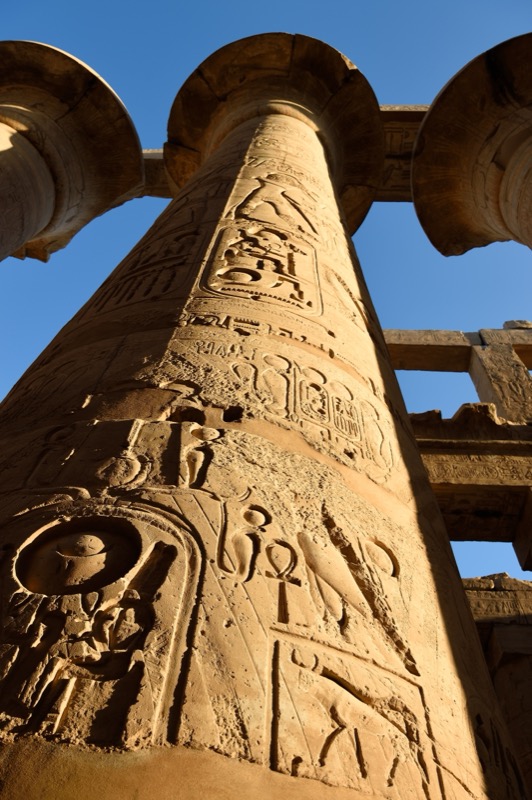
The most comprehensive guide we publish covers the full Karnak complex — the Precinct of Amun-Ra, the Precinct of Mut, the Precinct of Montu, and the Open Air Museum. Includes the complete ticketing breakdown, the optimal walking sequence to avoid backtracking, the best position for the Sound and Light show if you choose to attend, and a detailed section on the sacred lake and its historical function. Crowd pattern data shows the complex is best approached before 8:30am or after 3pm.

Read this guide →
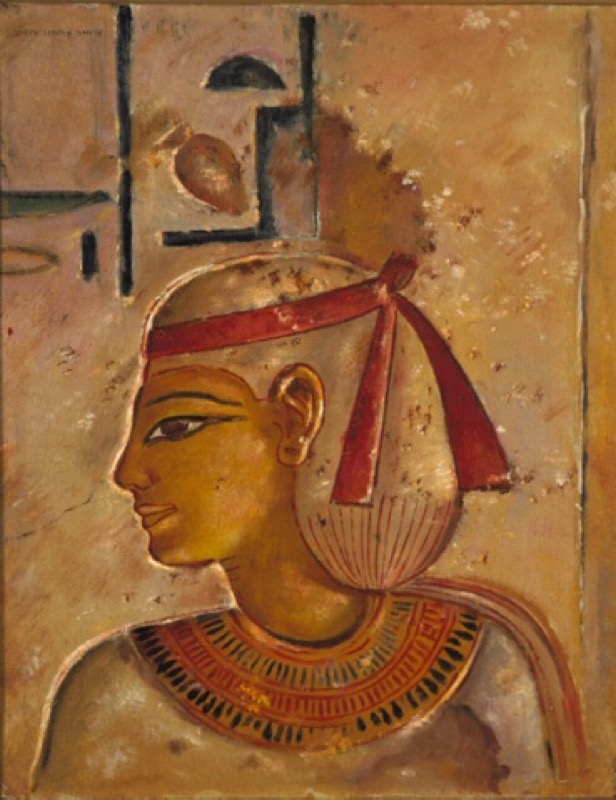
Rock-cut royal tomb entrance in the Valley of the Kings, Luxor West Bank
Royal Necropolis — West Bank Luxor

Valley of the Kings: Tombs and Tickets

The multi-tier ticketing structure at the Valley of the Kings is the single most common source of visitor confusion at any site in Egypt. The standard ticket covers three tombs from the general rotation. KV62 (Tutankhamun), KV17 (Seti I), and certain other tombs require separate premium tickets. Our guide demystifies the current system, identifies which three general-rotation tombs offer the best-preserved decoration, and provides the hiking route to the panoramic viewpoint over the valley that most visitors miss entirely.

Read this guide →
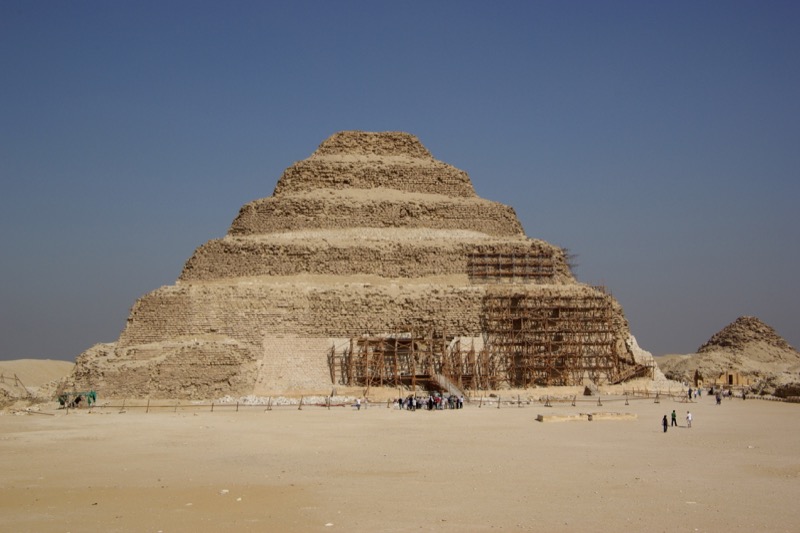
Step Pyramid of Djoser and surrounding mortuary complex at Saqqara
Old Kingdom Necropolis — Giza Governorate

Saqqara: More than the Step Pyramid

Saqqara is consistently underestimated by visitors who spend forty minutes at the Step Pyramid and leave. Our guide takes the full site seriously — the Pyramid of Unas (whose descending corridor is lined with the oldest coherent religious text in human history), the recently reopened Serapeum with its giant Apis bull sarcophagi, the tomb of Mereruka with its extraordinary painted scenes of daily life, and the newer excavation areas where significant finds have continued to emerge since 2018. Recommended minimum time: a full day.

Read this guide →
Bibliotheca Alexandrina at night reflected in the seafront promenade of Alexandria
Museum Complex — Alexandria

Bibliotheca Alexandrina Collections

The Bibliotheca Alexandrina is not simply a modern library — it houses four museums, three permanent galleries, a planetarium, and some of the most significant antiquities collections in northern Egypt. The Antiquities Museum in the basement levels contains original Greek and Roman sculptures and artefacts recovered from excavations in Alexandria and the surrounding Delta region. Our guide covers the museum collections, the Manuscript Museum, the World Memory archive gallery, and the extraordinary building itself, designed by Norwegian firm Snøhetta.

Read this guide →
Abu Simbel main temple facade carved into the sandstone cliffs of Nubia
Nubian Temples — Aswan Governorate

Abu Simbel: Getting There and Making It Count

Abu Simbel involves the most logistically demanding visit of any site in Egypt — it requires either a 280km desert drive from Aswan or a 45-minute flight, with most visitors choosing the pre-dawn convoy from Aswan in order to spend a few hours at the site before returning. Our guide covers both transport options in detail, explains why an overnight stay in Abu Simbel village transforms the experience, and provides a thorough analysis of what to look for in both the Great Temple and the smaller Temple of Nefertari, which is often overlooked despite its exceptional painted interior.

Read this guide →
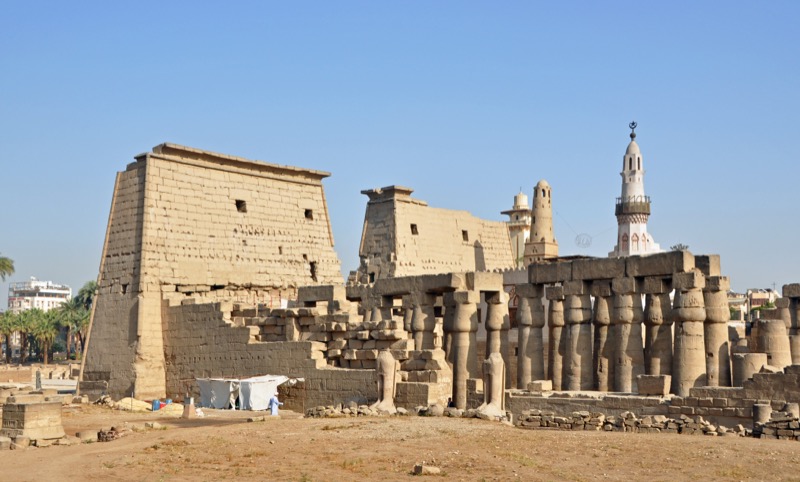
Luxor Temple at dusk with the entrance pylon and obelisk illuminated by floodlights
Pharaonic Temple — Luxor City Centre

Luxor Temple: Urban Archaeology in Action

Luxor Temple occupies a unique position among Egypt's pharaonic monuments — it sits in the middle of a living city, entered through the newly restored Avenue of Sphinxes, flanked by modern streets, with a functioning mosque (Abu Haggag) perched atop the ancient walls. The layered history visible here — pharaonic, Roman, Coptic, Islamic — makes it one of the most intellectually rich single sites in Egypt. Our review details the inscriptions on the colonnade of Amenhotep III, the Roman conversion of the hypostyle hall, and the Byzantine frescoes that survived beneath centuries of soot.

Read this guide →
Current Field Research

Active Excavations Covered in Our Guides

Egypt's archaeological story is still being written. Each excavation season — running roughly October through April — produces discoveries that revise, extend, or overturn previous understandings of specific sites and periods. Our Professional and Scholar members receive updates from active digs as they are published by the Egyptian Ministry of Tourism and Antiquities and international excavation teams.

Active Site — Giza Governorate

Saqqara: Ongoing Discoveries

The Saqqara necropolis continues to yield major discoveries. Since 2018, Egyptian and international teams have found multiple intact or near-intact tombs in areas south of the Step Pyramid complex — including a cache of over 100 sealed wooden coffins dating to the New Kingdom, wooden and bronze statuettes, papyri with previously unknown religious texts, and architectural evidence expanding the known extent of the Serapeum precinct. The density of the burial ground means that new discoveries are a near-annual occurrence. Our Saqqara guide is updated after each significant announcement and covers which newly opened tomb areas are accessible to visitors under the current access agreements.

Saqqara site guide →
Active Site — Middle Egypt

Tell el-Amarna: Akhenaten's Capital

The site of Tell el-Amarna on the east bank of the Nile in Middle Egypt was the short-lived capital built by the pharaoh Akhenaten around 1346 BCE and abandoned within a generation of his death. Excavations by the Amarna Project have been ongoing since 1977 and continue to produce important data on urban life, public health, religious architecture, and the nature of the so-called Amarna Revolution in Egyptian religion and art. Amarna is not currently on the standard tourist circuit, but it is accessible by private car from Minya with advance arrangement. Our guide covers the accessible surface structures — the Royal Tomb, North Tombs, and the outline of the Great Aten Temple — alongside the ongoing excavation work.

Amarna site guide →
Active Site — Upper Egypt

Abydos: The Cemetery of the First Pharaohs

Abydos is not only the site of the magnificent temple of Seti I (covered separately) — it is also the burial ground of Egypt's earliest kings, including the royal tombs of the Predynastic and Early Dynastic periods excavated by Flinders Petrie and Emile Amélineau in the 1890s and now subject to ongoing systematic re-excavation by American and German teams. The North Abydos expedition and the Seti Temple Archaeological Project are both active. Excavations at the site of Wah-Sut — a Middle Kingdom town associated with the Seti temple administration — continue to illuminate the social infrastructure of ancient pilgrimage and cult. Annual field reports are available to Professional and Scholar members.

Abydos site guide →
For Institutions

Research and Consultancy Services

Beyond our public guides, NilePath Heritage offers research and consultancy services to cultural institutions, tour operators, documentary producers, and academic bodies developing Egypt-related content or programmes.

Services include expert content review and fact-checking, on-site consultation for filming and production teams, itinerary design for specialist academic study tours, and training workshops on interpreting Egyptian heritage for non-specialist audiences. Our researchers have contributed expert guidance to major documentary productions, university curriculum development projects, and museum exhibition design for institutions in Europe and North America.

  • Content development and expert review
  • On-site consultation for production teams
  • Academic study tour itinerary design
  • Museum exhibition advisory
  • Staff training and interpreter workshops
Discuss a project →
Case Study

Audio Guide Development, Aswan Museum

Provided scholarly content review and script consultation for a new 24-stop audio guide covering the permanent collection of the Nubian Museum in Aswan. The engagement involved three on-site working sessions with the museum's curatorial team and a complete review of translation accuracy across English and French versions.

Case Study

University Study Tour Programme, Cambridge

Designed a 14-day itinerary for a Department of Archaeology annual Egypt study tour, including access arrangements to sites not on the standard visitor circuit, pre-visit briefing materials, and on-site expert accompaniment at five key locations. The programme has run for three consecutive years.

Full Access

Unlock the complete guide catalogue

The Standard plan provides access to all published guides, quarterly update notifications, and the searchable site database. Scholar access includes active excavation reports and raw field notes.

See membership plans →